
Curington Contracting has been building industrial facilities since 1972 and entered the landfill gas-to-energy (LFGTE) sector in 2007. Since then, our team has built LFGTE power plants, flare stations, gas compression systems and renewable natural gas (RNG) facilities across the United States, from our home base in Ocala, Florida to projects in California, Virginia, Pennsylvania, Mississippi and North Carolina.
Utilities, landfill operators and energy developers bring us in to deliver the whole facility under one accountable builder: site work and foundations, engine buildings and genset installation, gas processing, electrical and controls, then commissioning. Because our O&M division also operates facilities after construction, we build with long-term performance and maintenance access in mind.
Or call 352-732-7839
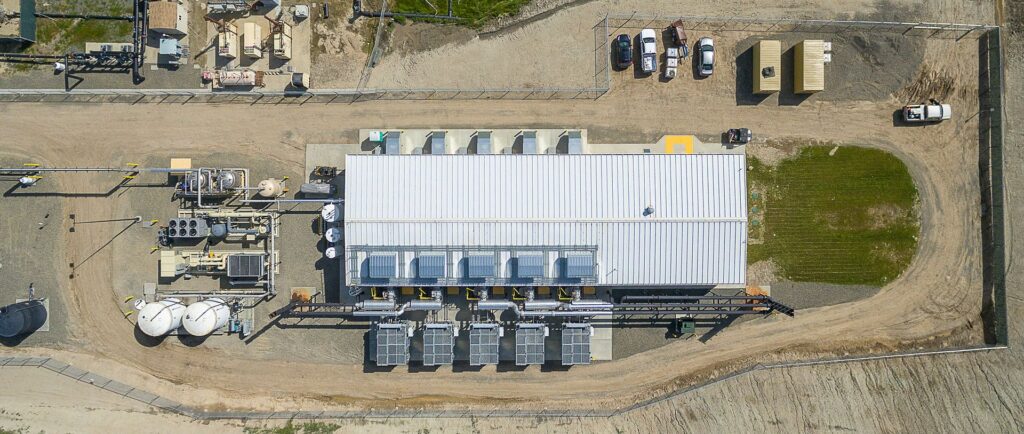
From 850-kilowatt containerized genset installations to an 8-megawatt, five-engine power plant, we have delivered landfill gas-to-energy projects at nearly every scale.
Every project follows our design-build process, with planning, engineering coordination and construction managed by one team from the first site visit to startup.
Get StartedAs a design-build EPC contractor, Curington supports landfill gas-to-energy and RNG projects from early planning through startup, coordinating every trade and specialty vendor so the whole plant comes together on one schedule.
Engineering coordination, procurement and construction under one contract, backed by an in-house CADD team that takes designs from concept to construction-ready drawings.
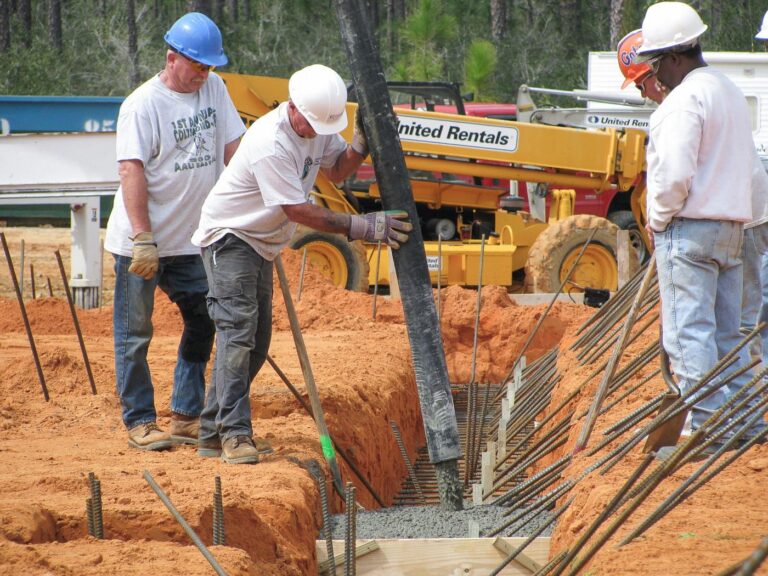
Clearing, grading, drainage and access roads, plus concrete engine pads, aggregate base and the extensive underground conduit runs every energy plant depends on.
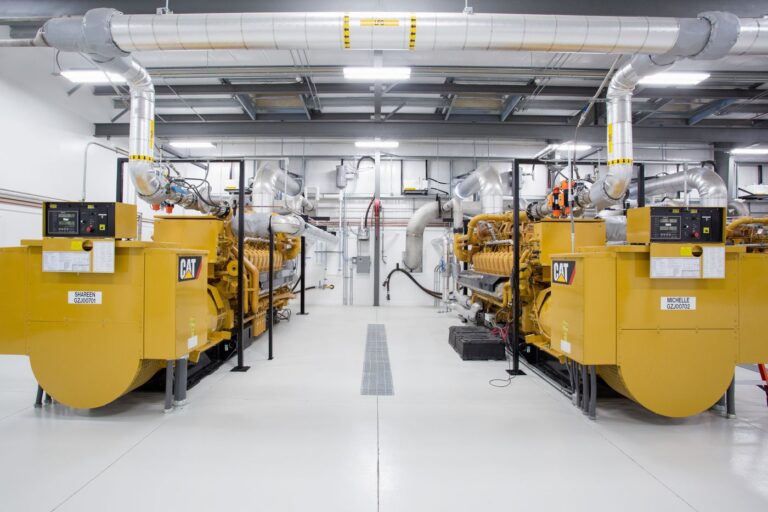
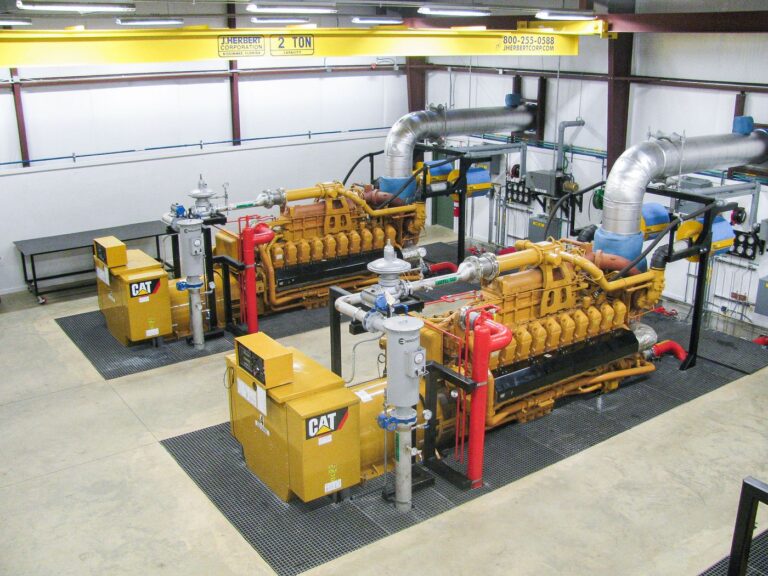
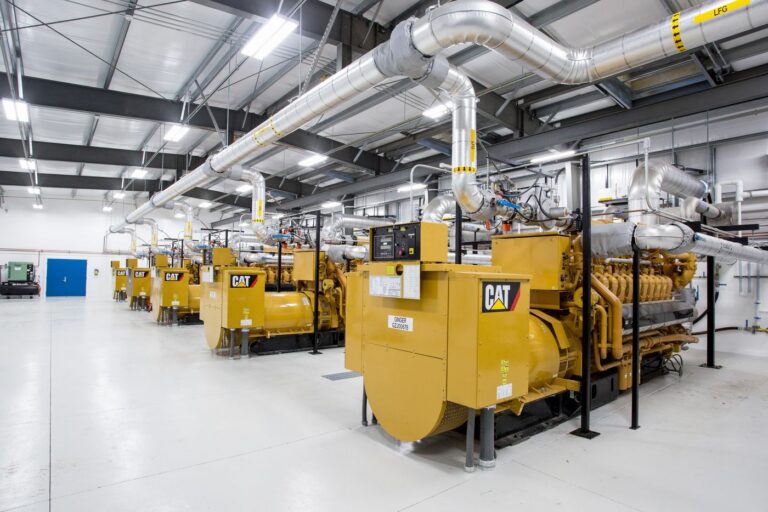
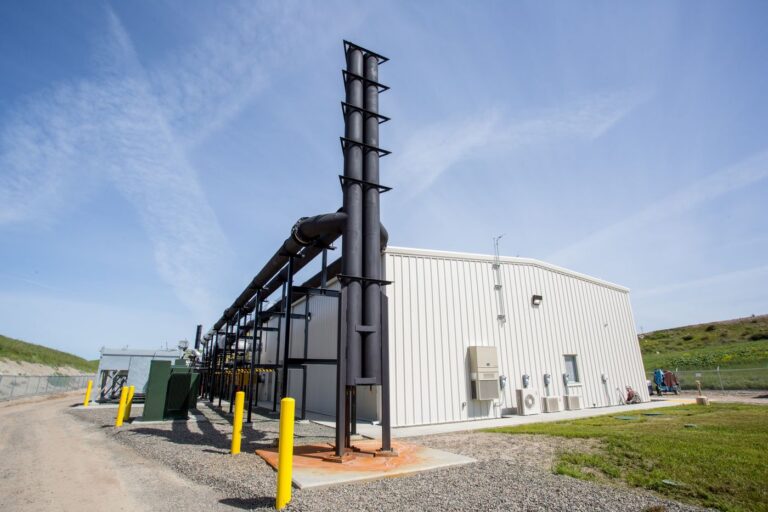
Pre-engineered metal buildings with ventilation, maintenance platforms and overhead cranes, plus crane lifts to set engine-generator packages and connect fuel gas, cooling, exhaust and lube oil systems.
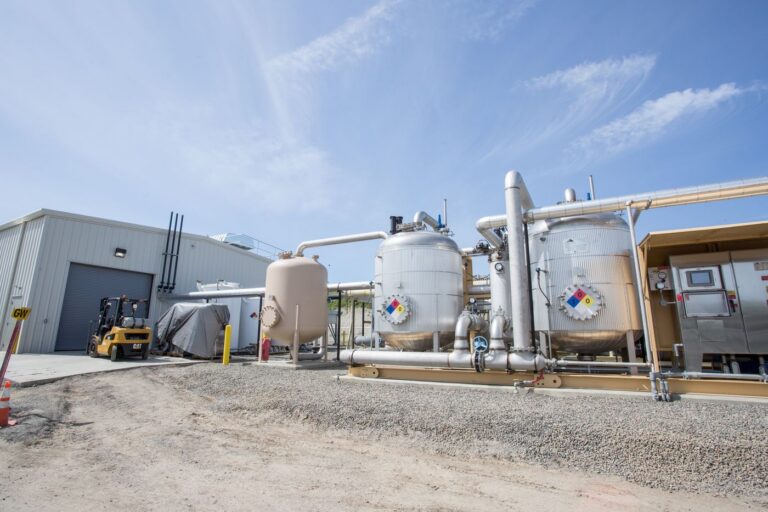
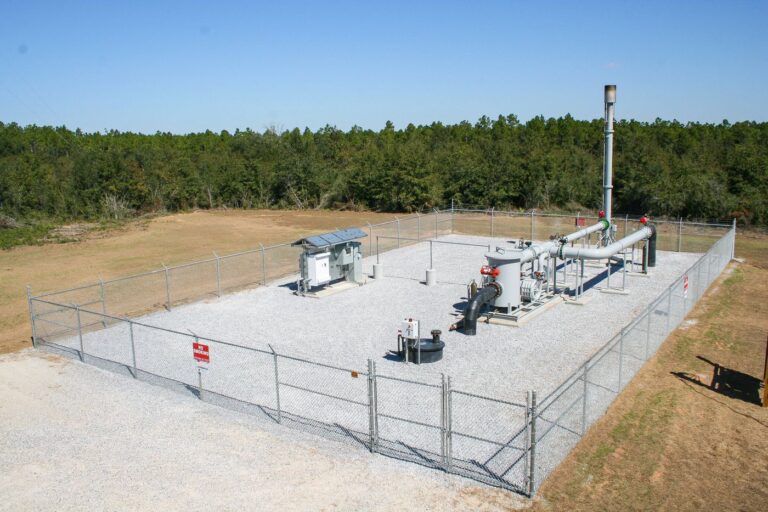
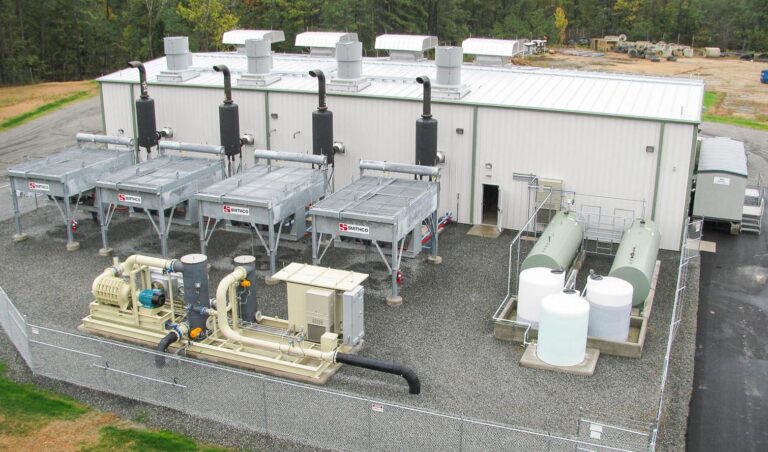
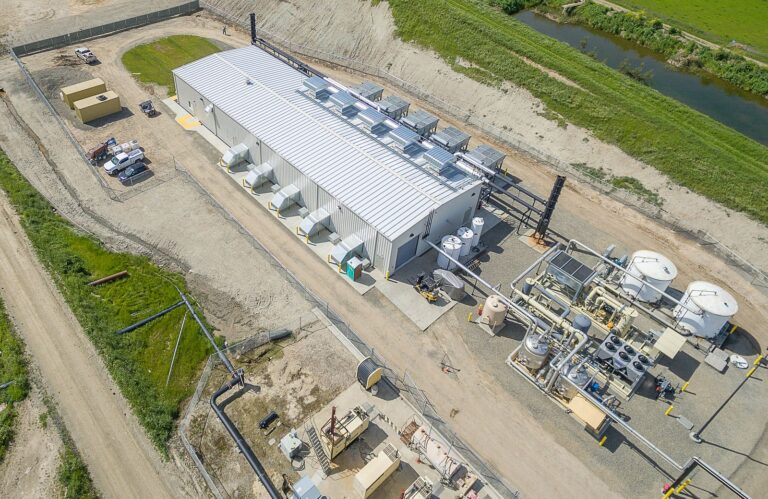
Compression skids and treatment systems that remove moisture, siloxanes and sulfur compounds, along with flare stations that safely burn excess gas when generators are offline.
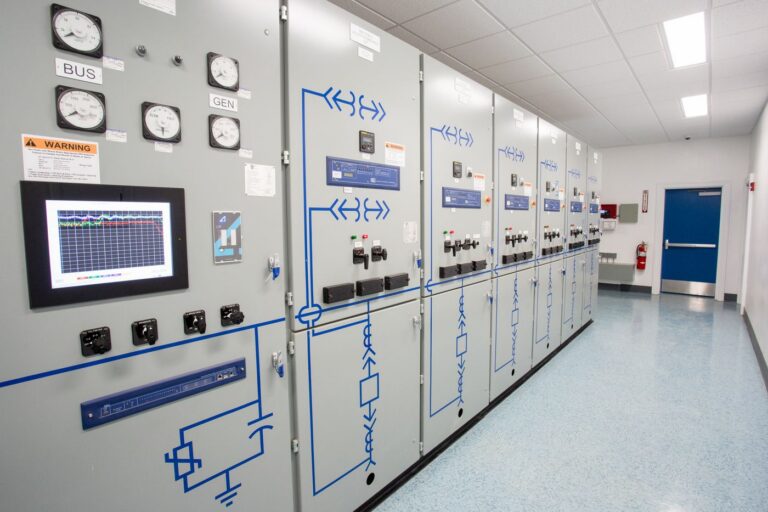
Switchgear, protective relaying, step-up transformers and SCADA monitoring and controls, coordinated with the local utility to meet its interconnection standards.
Renewable natural gas facilities, systematic testing and startup before the plant goes online, and ongoing operations support from our O&M division afterward.
A sample of the landfill gas-to-energy facilities we have built across the country. For engine details and more completed work, see our LFGTE project portfolio.
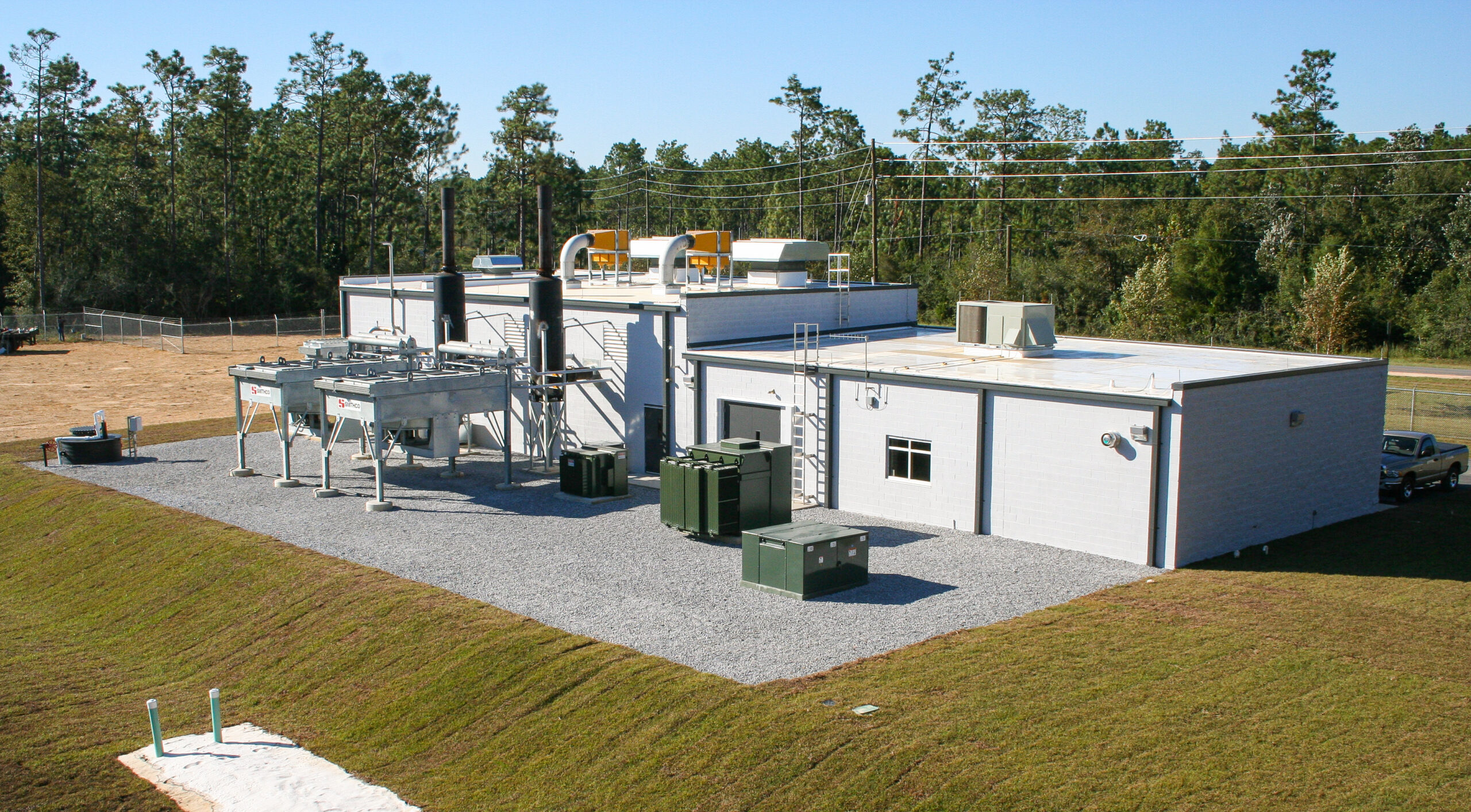
3.2 MW | Two Caterpillar G3520C gensets
The owner's first renewable energy facility, built at a county landfill in the Florida Panhandle.
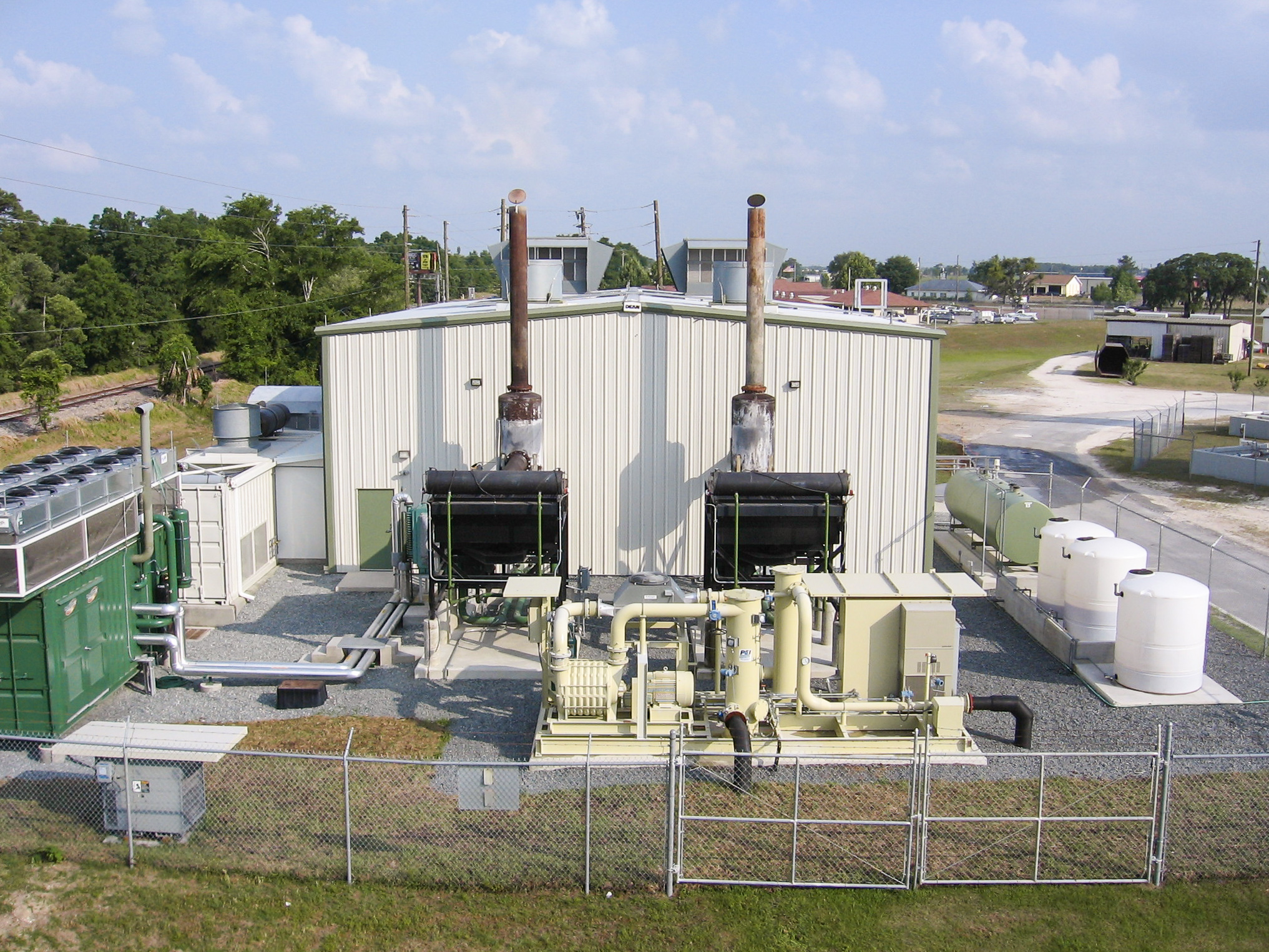
3.25 MW, expanded to 4.1 MW
Curington's first LFGTE project, later expanded with a third engine and a waste heat recovery addition.
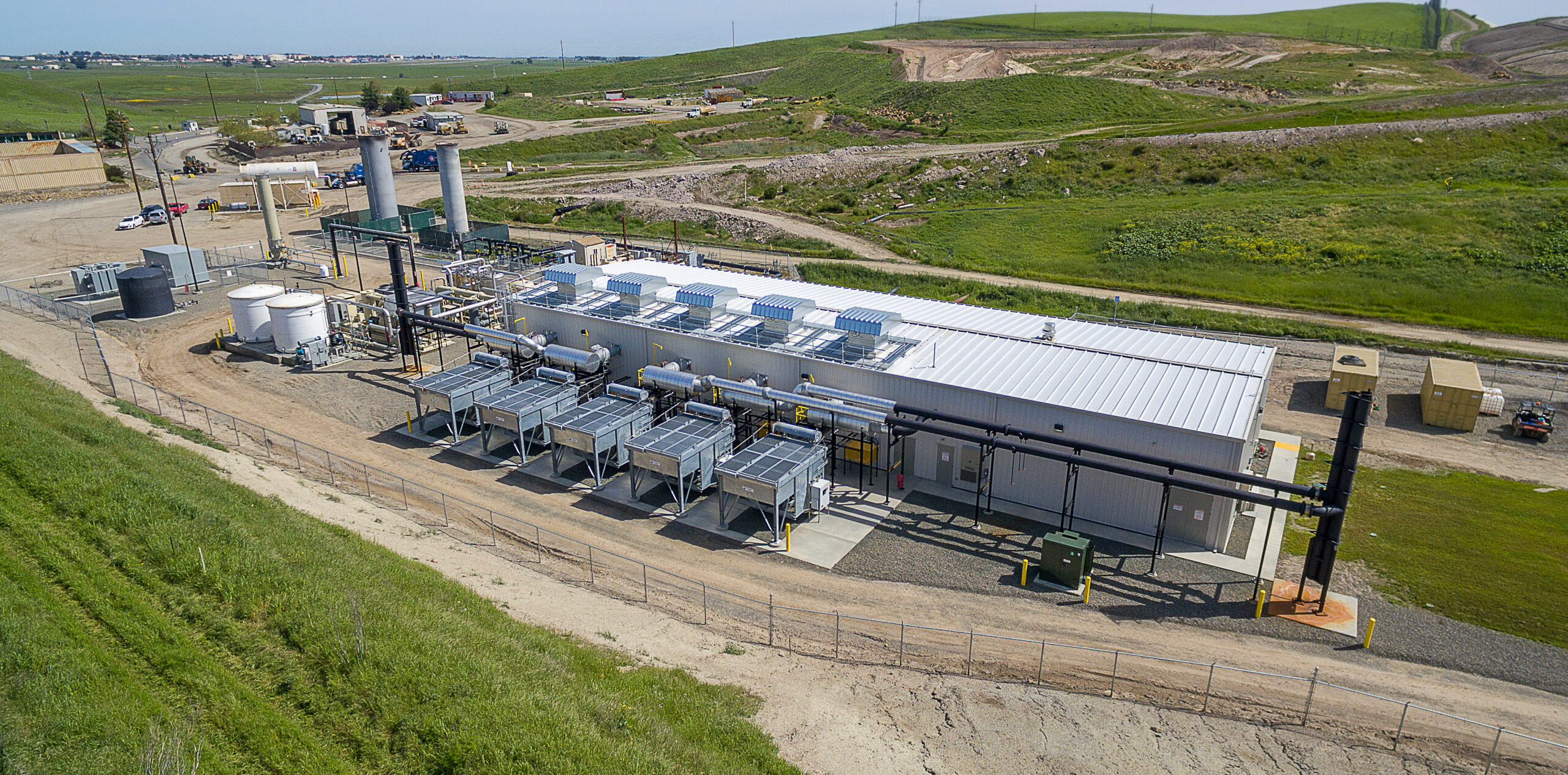
8.0 MW | Five Caterpillar 3520 engines
Our largest LFGTE plant to date, selling renewable electricity to the regional utility.
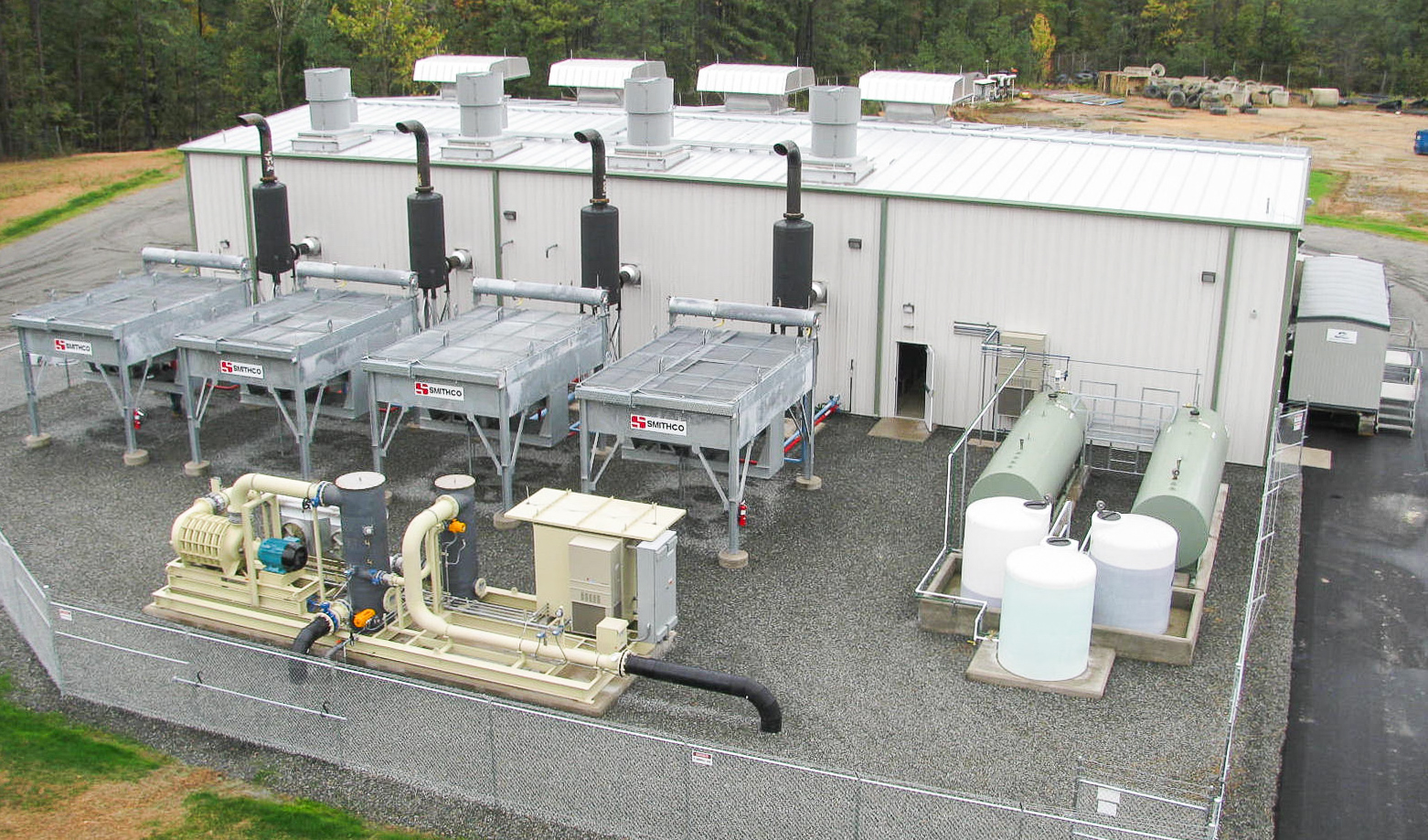
LFGTE power plant
One of several Curington landfill gas-to-energy projects in Virginia.
Additional projects include containerized LFGTE facilities in Pennsylvania and Mississippi, a flare station and liquid receiving facility in Okeechobee, Florida, and a 30,000 gallon per day leachate evaporator system in Sampson County, North Carolina.
Talk with our team about your landfill gas-to-energy or renewable natural gas facility, from early planning through commissioning.
Or call 352-732-7839
Our O&M division operates facilities after construction, so we know where access platforms belong, which gas treatment tolerances protect the engines, and how operators actually use a control room.
Our design-build process keeps planning, engineering coordination and construction under one roof, with fewer handoffs and one point of accountability.
Our CADD team develops designs from concept to construction-ready drawings in house, which keeps revisions fast and coordinated with the field.
Curington Contracting, LLC is a family-owned Certified General Contractor (CGC014568) based in Ocala, Florida, with industrial construction experience that reaches well beyond energy work.
A typical LFGTE facility includes gas compression and treatment systems that remove moisture, siloxanes and sulfur compounds, reciprocating engine-generators housed in a power-generation building, switchgear and step-up transformers that connect to the utility grid, a flare station for excess gas, and SCADA monitoring and controls.
An LFGTE plant burns processed landfill gas in engine-generators to produce electricity. An RNG facility upgrades landfill gas into renewable natural gas instead of converting it to power on site. Curington has built both types of facilities.
Yes. Our energy work is national, with completed projects in Florida, California, Virginia, Pennsylvania, Mississippi and North Carolina.
Our projects range from 850-kilowatt containerized genset installations to an 8-megawatt power plant with five engines.
Yes. Our O&M division provides ongoing operations support after a facility is online, and that operating experience shapes how we design and build every plant.
Yes. LFGTE plants feed power to the local grid, so our electrical installations are coordinated with the utility to meet its interconnection standards.