
Design-Build vs. Traditional Construction: Which Is Right for Your Commercial Project?
Every commercial construction project begins with important decisions about budget, schedule, design, and the team responsible for bringing the project to life. One decision that can shape nearly every stage of that process is the project delivery method.
Two common approaches are traditional design-bid-build and design-build. In a traditional project, design and construction are generally handled under separate contracts and at different stages. Design-build brings those responsibilities together under a more integrated project team.
Neither approach changes the fundamentals of successful construction: careful planning, experienced professionals, clear communication, and quality execution still matter. However, the way those professionals work together can have a significant effect on coordination, constructability, budgeting, and the overall project timeline. Understanding the differences can help commercial property owners and developers choose the approach that best fits their project.
Understanding the Traditional Design-Bid-Build Process
Traditional design-bid-build separates a commercial project into distinct phases. The owner typically works with an architect or design team first to develop the plans and specifications. Once those documents are sufficiently complete, contractors can bid on the project and a construction team is selected to execute the design.
That separation can give owners a clear distinction between the professionals responsible for design and those responsible for construction. It can also work well for projects with a thoroughly established scope, completed plans, and a procurement process that requires competitive bidding.
The challenge is that the contractor who will ultimately build the project may have limited involvement while important design decisions are being made. If construction costs, material availability, sequencing, or site conditions create concerns later, portions of the design may need to be revisited. That can introduce additional communication between the owner, designer, and contractor at a stage when changes may be more disruptive.
How the Design-Build Construction Model Works
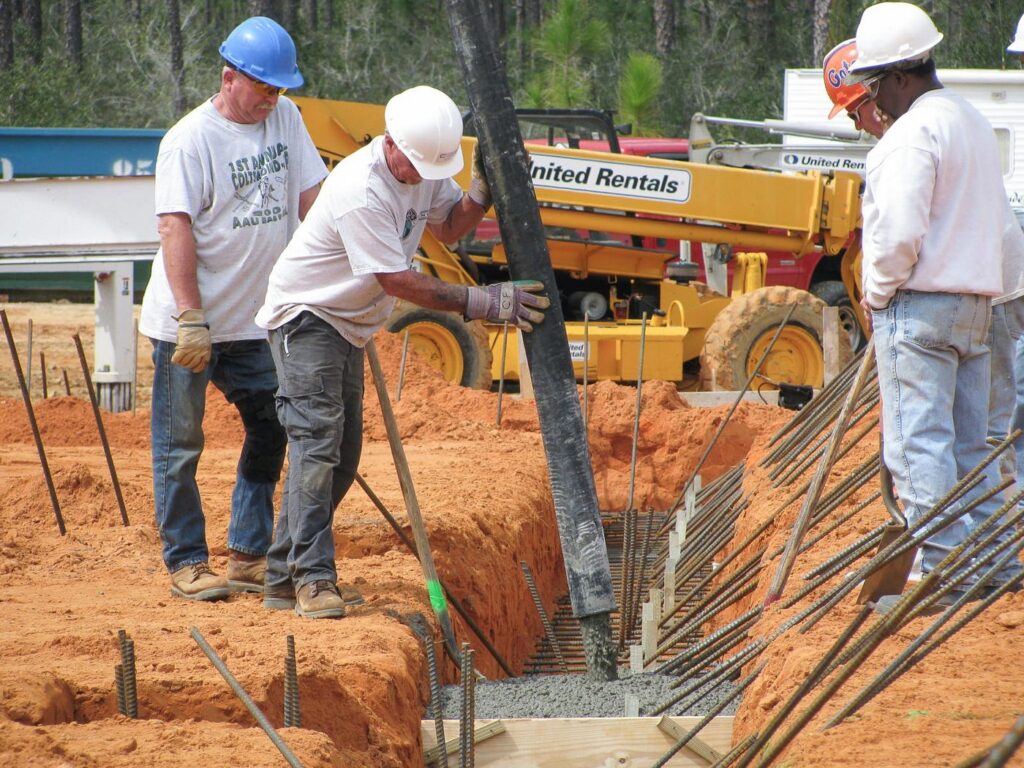
Design-build takes a more integrated approach by bringing design and construction responsibilities together under one project delivery structure. Instead of completing the design and then introducing the contractor, construction expertise can become part of the conversation much earlier.
That collaboration allows decisions about layout, materials, building systems, site conditions, scheduling, and budget to be evaluated with both design intent and practical construction considerations in mind. Potential challenges can be identified while plans are still developing rather than after the project has moved into the field.
For commercial owners, the value is not simply having fewer companies involved. The real advantage comes from creating a process in which the people designing the project and the people responsible for building it can coordinate from the beginning. Curington Contracting provides design-build services that combine planning, design coordination, estimating, and construction experience throughout the project.
One Team and One Point of Accountability
Commercial construction involves a large number of moving pieces. Architects, engineers, subcontractors, suppliers, inspectors, project managers, and owners may all need to coordinate decisions throughout a project. When responsibilities are divided among separate contracts, determining who needs to address a particular issue can sometimes require additional communication.
Design-build creates a more centralized structure. The owner has a primary team responsible for coordinating both the design and construction sides of the project. Questions can move through established channels, and design decisions can be evaluated alongside their construction implications.
That does not eliminate the need for architects, engineers, specialty contractors, or other professionals. Instead, it gives those contributors a framework for working toward the same project objectives. For owners who do not want to spend their time acting as the intermediary between separate design and construction teams, that single point of accountability can be particularly valuable.
Comparing Project Timelines and Construction Efficiency
Project delivery method can also influence the construction schedule. Under a traditional sequence, substantial design work generally occurs before contractor selection and major construction activities begin. That creates a relatively linear progression from design to bidding to construction.
Design-build can create opportunities for some phases to overlap when appropriate. Early site work, procurement planning, scheduling, or other preparations may begin while later design details are still being finalized. The project team can also identify long-lead materials earlier and account for their availability before they become a scheduling problem.
The goal is not simply to make every project move as quickly as possible. A successful commercial schedule needs to be realistic, coordinated, and responsive to permitting, inspections, materials, subcontractor availability, and site conditions. Early collaboration gives the construction team more information to build that schedule around and more time to address potential bottlenecks.
Budget Control, Cost Visibility, and Reducing Surprises
A commercial project can look excellent on paper and still encounter problems if the design develops without enough attention to the construction budget. Material selections, structural decisions, site requirements, building systems, and even seemingly small design details can significantly affect the final cost.
With design-build, estimating and construction input can be incorporated earlier. As the design develops, the team can evaluate how different decisions affect cost and identify alternatives before the plans are finalized. That creates opportunities for value engineering without waiting until bids arrive and reveal that the completed design exceeds the available budget.
Early cost visibility does not guarantee that a project will never encounter an unforeseen expense. Construction can still involve changing market conditions, hidden site issues, owner-requested changes, and other variables. The advantage is having construction professionals engaged early enough to identify foreseeable cost pressures and help the owner make informed decisions while there is still flexibility to adjust.
How Early Contractor Involvement Improves Constructability
A design needs to accomplish more than looking good or satisfying a list of requirements. It eventually has to be built on a real site using available materials, equipment, trades, and construction methods. Constructability is the process of evaluating how efficiently and practically the design can become a finished building.
Bringing the contractor into the process early allows construction experience to inform those decisions. The team can evaluate access to the site, grading and drainage needs, structural approaches, material availability, installation sequences, equipment requirements, and coordination between trades before those issues reach the field.
This can be especially important on projects involving significant site development or specialized commercial requirements. Discovering a conflict during design usually provides more options than discovering the same conflict after crews, equipment, and materials are already on site. Early contractor involvement gives the entire project team an opportunity to solve problems when solutions may be simpler and less disruptive.
Choosing the Right Delivery Method for Your Commercial Project
The right construction delivery method depends on the project itself. Traditional design-bid-build may make sense when an owner already has completed plans, needs a formal competitive bidding process, or wants separate contractual relationships with the designer and contractor.
Design-build can be especially attractive when the owner values collaboration, early cost input, streamlined communication, and greater coordination between design and construction. It can also be useful when schedule efficiency matters or when the project includes site, budget, or constructability considerations that would benefit from contractor input during design.
The most important step is discussing these priorities before the project moves too far into planning. An experienced commercial contractor can evaluate the scope, property, timeline, and owner objectives and help determine an appropriate path forward. Choosing the delivery method intentionally at the beginning creates a stronger foundation for every decision that follows.
Build Your Next Commercial Project With Curington Contracting
From early planning and site development through design coordination and construction, the decisions made before breaking ground can have a lasting effect on a commercial project. Working with a team that understands both the planning and construction sides of the process can help owners make those decisions with greater clarity.
Curington Contracting brings decades of construction experience to commercial projects throughout North Central Florida. Whether you are evaluating design-build, planning a new commercial facility, or preparing a property for development, our team can help you establish a practical path from concept to completion.
Contact Curington Contracting to discuss your commercial construction project and learn how our team can help bring it to life.