
For many businesses, churches and organizations, the building is working hard every single day. Customers come through the doors, staff depend on the space, and congregations gather each week. When that building needs updates, closing for months is rarely a realistic option.
A phased commercial renovation offers another path. By planning the work in stages and coordinating each trade around the way the building is used, it is often possible to upgrade systems, refresh interiors and improve a facility while day-to-day operations continue.
Many owners start by searching for commercial renovations near me, but the more important question is how a contractor plans to keep the building running. Understanding how a phased renovation works can make the difference between a project that disrupts your organization and one that quietly improves it.
Renovating an occupied building is different from building on an empty site. People still need safe entrances, working restrooms, reliable power and comfortable temperatures. Noise, dust and deliveries all have to be managed so the work does not interfere with the people the building serves.
That means the renovation plan has to account for more than the finished design. It needs to answer practical questions early: which areas can be taken offline and when, how utilities will keep running, where materials will be staged, and how crews will move through the building without crossing paths with customers, staff or members.
When those questions are answered before construction begins, the owner gains a clear picture of what each phase will look like. When they are left for the field, small conflicts can turn into schedule changes, added cost and frustration for everyone in the building.
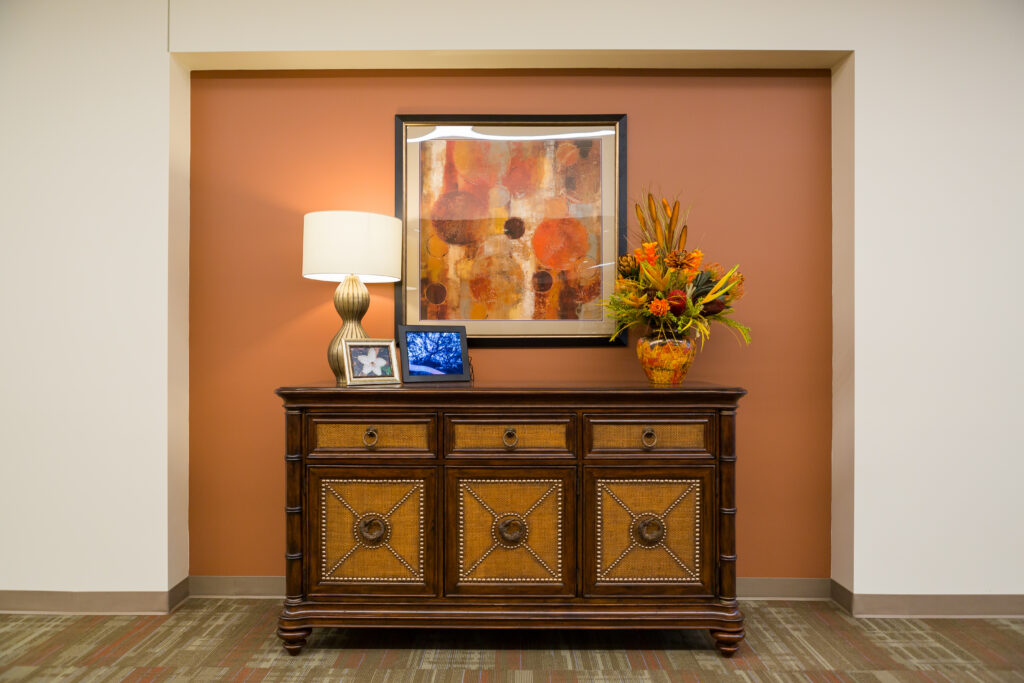
A phased renovation breaks a larger project into smaller, manageable stages. Each phase has a defined area, scope and sequence, so part of the building can be under construction while the rest remains open and functional.
The phases are usually organized around how the facility operates. A business may keep its customer areas open while back-of-house spaces are updated first. A church may schedule the most disruptive work between services and events. A facility with amenities may rotate closures so members always have access to most of the spaces they use.
Each phase is completed, cleaned and returned to service before the next one begins. That rhythm keeps the project moving while giving the owner a predictable way to communicate changes to employees, customers or congregations.
Some of the most valuable renovation work happens behind the walls and above the ceilings. Aging HVAC equipment, ductwork, electrical service and plumbing can affect comfort, efficiency and operating costs long before the finishes look worn.
Upgrading those systems in an occupied building requires careful sequencing. Equipment changeovers may need to happen after hours, temporary measures may be needed while new systems are installed, and shutdowns have to be coordinated with the owner well in advance.
Because mechanical work touches nearly every part of a building, it is usually planned alongside the interior phases rather than separately. That coordination helps avoid opening the same ceiling twice or disturbing a newly finished area to reach a system that still needs work.

Not every commercial renovation is a full building overhaul. Many projects are tenant improvements: updating a suite for a new business, reconfiguring an office layout, or bringing an older space in line with the way an organization works today.
Tenant improvement work often happens inside multi-tenant buildings where neighboring businesses remain open. Access, working hours, noise and shared building systems all need to be coordinated with the property owner and the other tenants so the project does not become a problem for the rest of the building.
Interior updates can include new layouts, finishes, lighting and fixtures, along with the mechanical, electrical and plumbing changes that support them. Planning those pieces together helps the finished space work well, not just look new. It is one part of the commercial construction in Ocala that Curington Contracting provides for businesses and organizations across Marion County.
Renovations carry a different kind of budget risk than new construction. Existing buildings can hide conditions that are not visible until walls, ceilings or floors are opened, and older systems may not match the drawings on file.
A thorough pre-construction review helps reduce those surprises. Walking the building, reviewing existing documents and discussing priorities before the scope is finalized gives the owner a more realistic picture of what the project involves. It also helps owners avoid the budget mistakes that drive up costs, such as choosing finishes before the scope is clear or leaving no room for conditions found during demolition.
Phasing can help with budgeting, too. Some owners choose to complete the most urgent work first and schedule later phases as funds allow, while others prefer to complete the entire scope as one coordinated project. Both approaches work best when every phase is planned together from the beginning.
A renovation inside an active facility affects more people than the owner. Employees, customers, tenants, members and visitors all experience the project in some way, even if they never see the plans.
Clear communication between the contractor and the owner makes it possible to share that information ahead of time. Regular updates on upcoming phases, temporary entrances, noisy work and system shutdowns let the owner prepare the people who use the building.
A dependable point of contact matters as well. When questions come up during construction, the owner should know exactly who to call and expect a straightforward answer about how the issue affects the schedule, the budget and the building.
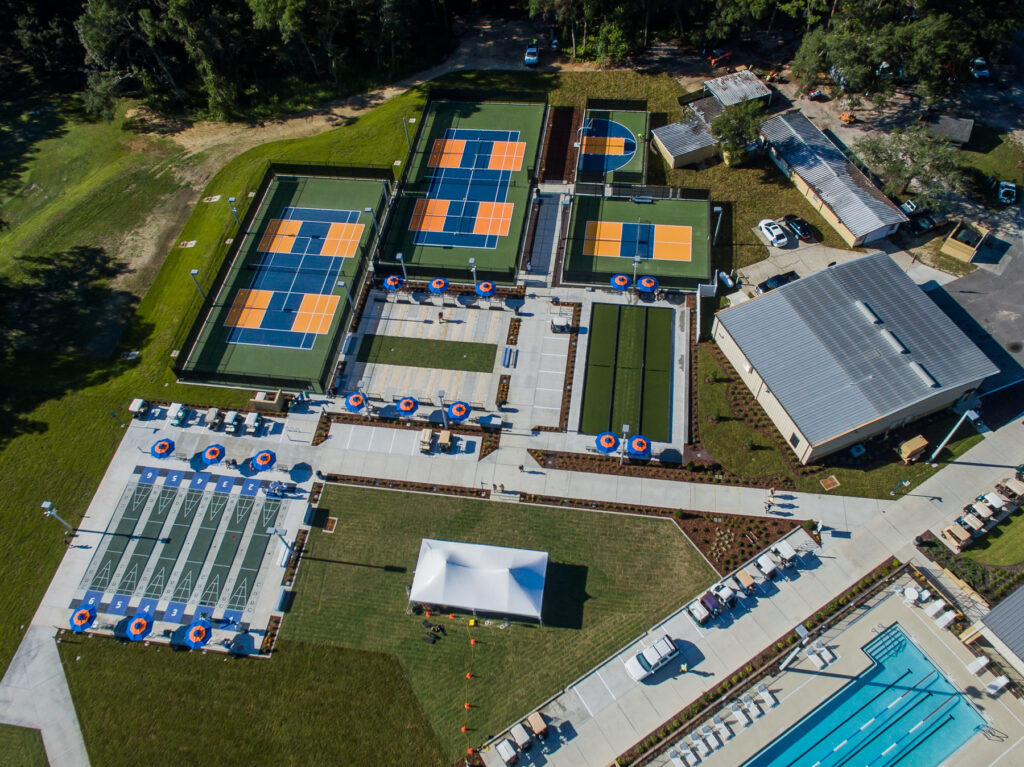
The Rolling Greens renovation shows how this approach works in practice. The project delivered improvements across multiple areas of an active facility without disrupting daily operations.
The scope included new commercial-grade HVAC equipment and ductwork improvements, updated finishes, lighting and layouts in interior and amenity spaces, upgraded locker rooms and support spaces, and durable finishes selected for high-traffic use. Each phase was coordinated across mechanical, structural and interior trades to keep work moving efficiently.
Because the work took place inside an operating facility, it required careful planning, organized scheduling and strong jobsite coordination throughout construction. The result was a facility upgraded for long-term performance while it continued to serve the people who use it every day.
In many cases, yes. A phased renovation divides the work into stages so some areas remain open while others are under construction. The right approach depends on the building, the scope of work and how the space is used each day.
A phased renovation completes a larger project in planned stages. Each phase has its own area and sequence and is returned to service before the next phase begins, which helps the facility keep operating.
A tenant improvement is a renovation of a leased commercial space, often to prepare it for a new tenant or update it for a current one. The work can include new layouts, finishes, lighting and the building systems that support them.
Look for a licensed commercial general contractor with experience working in occupied buildings. Ask how they plan phases, manage noise and access, keep systems running and communicate with owners during construction. Curington Contracting, LLC is a Certified General Contractor (CGC014568) based in Ocala.
Yes. Curington Contracting works with businesses, churches and organizations throughout Ocala, Marion County and North Central Florida, including Belleview, Summerfield, Silver Springs Shores, Marion Oaks and The Villages.
Updating a building while it stays in use takes careful planning, steady coordination and a team that respects the people who depend on the space every day. The right plan lets you improve your facility without putting your business, ministry or organization on hold.
Curington Contracting, LLC has been building in Ocala since 1972. As a family-owned Certified General Contractor (CGC014568), we help owners across Marion County and North Central Florida plan and complete commercial renovations, tenant improvements and facility upgrades with clear communication from start to finish.
Talk with Curington Contracting about your renovation, and let our team help you find a practical path forward.