
Planning a commercial construction project is a significant investment. Whether you’re building a new office, expanding a ministry facility, renovating an existing property, or developing an industrial site, your project’s success often comes down to one critical factor: budgeting.
Unfortunately, many project owners make costly budgeting mistakes long before construction begins. These errors can lead to unexpected expenses, project delays, and difficult decisions during the building process.
Understanding these common pitfalls can help you create a more accurate budget and keep your project moving forward with confidence.
One of the biggest budgeting mistakes occurs before a contractor is ever hired. Many owners begin estimating costs without fully defining what they want to build.
Changes to building size, materials, layouts, or project requirements during the design phase can quickly increase costs. The more clearly your project goals are established upfront, the more accurate your budget will be.
This is one reason many organizations choose a design-build construction approach, which allows planning, design, and budgeting discussions to happen simultaneously from the beginning of the project.
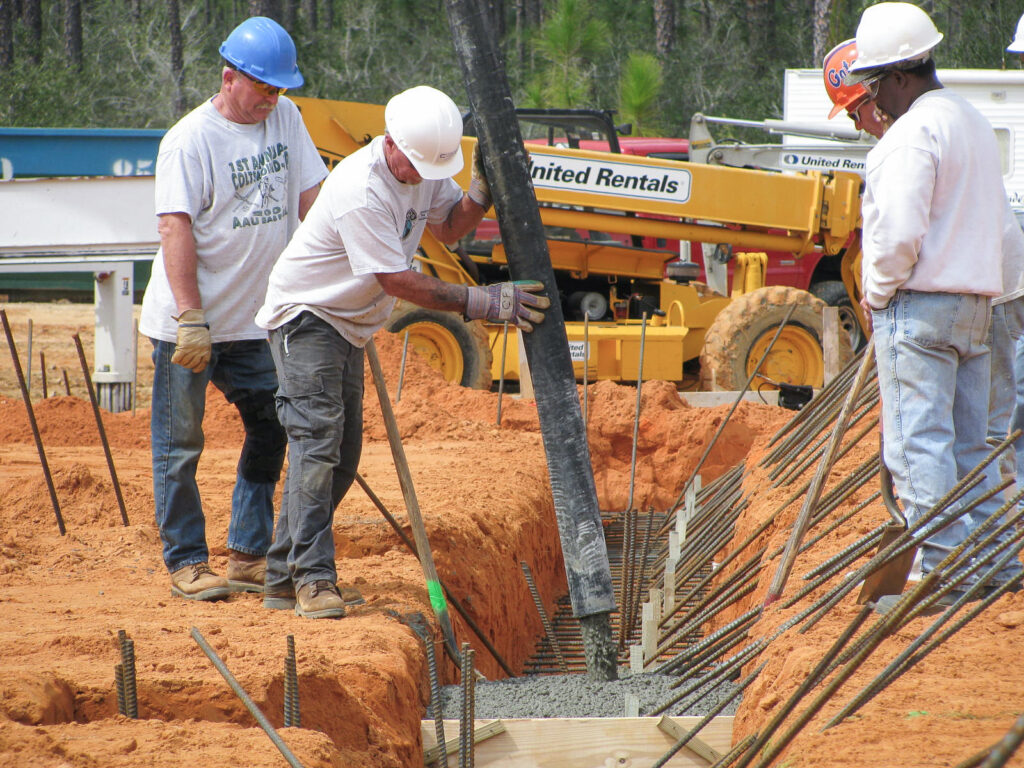
Many owners focus primarily on the building itself while overlooking the costs associated with preparing the site.
Site preparation expenses may include:
Unexpected site conditions can significantly affect the overall project budget. Conducting proper site evaluations early in the planning process helps identify potential challenges before construction begins.
Permits, inspections, environmental reviews, and regulatory compliance requirements are often underestimated during project planning.
Depending on the project type and location, these requirements can impact both budget and schedule. Commercial, industrial, and institutional projects may require multiple approvals before construction can begin.
Working with an experienced contractor early in the process can help identify permitting requirements and reduce the likelihood of costly surprises later.
While it may be tempting to select the lowest construction bid, the lowest number is not always the best value.
Some bids may exclude important project components, use lower-quality materials, or rely on assumptions that lead to change orders later.
When evaluating contractors, consider:
A contractor who provides detailed budgeting and planning support can often save money over the life of the project.
Focusing solely on initial construction costs can create larger expenses down the road.
Energy-efficient systems, durable building materials, and thoughtful facility design may require a higher upfront investment but can reduce maintenance and operating costs for years to come.
When developing a budget, consider the total lifecycle cost of the facility rather than only the initial construction price.
Many owners wait until design plans are complete before involving a contractor.
Unfortunately, this often leads to missed opportunities for cost savings, scheduling improvements, and value engineering recommendations.
Bringing a contractor into the planning process early allows construction expertise to influence design decisions before costly revisions become necessary.
For many organizations, early contractor involvement leads to more accurate budgeting and fewer surprises during construction.
Even the best-planned projects encounter unexpected expenses.
Material shortages, utility conflicts, weather delays, and unforeseen site conditions can all impact costs. Without a contingency reserve, these issues can force project changes or budget overruns.
A realistic contingency budget provides flexibility while helping keep the project on track.
Rather than viewing contingency funds as extra spending money, consider them an important risk management tool.
Most commercial construction projects benefit from including a contingency allowance of 5% to 10% of the total project budget. The appropriate amount depends on factors such as project complexity, site conditions, and the level of design completion when budgeting begins.
Common causes of cost overruns include changes to the project scope, unforeseen site conditions, permitting delays, material price increases, and inadequate planning during the pre-construction phase. Early collaboration with an experienced contractor can help identify and reduce these risks.
The earlier, the better. Involving a contractor during the planning and design stages allows for more accurate budgeting, scheduling, and constructability reviews. Early contractor involvement can also help identify cost-saving opportunities before construction begins.
Not necessarily. A lower bid may exclude important project components, rely on assumptions, or use lower-quality materials. When comparing proposals, it is important to evaluate experience, project approach, communication, and overall value in addition to price.
Design-build brings the owner, designer, and contractor together from the start of the project. This collaborative approach improves communication, streamlines decision-making, and helps identify budget concerns early, often reducing costly revisions and change orders.
Clearly defining your project goals and scope is one of the most important steps. A well-defined project allows contractors to provide more accurate pricing, identify potential challenges, and develop a realistic budget before construction begins.
Successful commercial construction projects begin long before the first shovel enters the ground. A well-developed budget helps reduce risk, improve decision-making, and create a smoother construction experience from start to finish.
By avoiding these common budgeting mistakes and partnering with an experienced commercial contractor early in the planning process, you can establish a realistic budget that supports your project’s goals.
At Curington Contracting, we work closely with owners throughout the planning and construction process to help identify potential challenges, control costs, and deliver successful projects across North Central Florida.
Ready to start planning your next commercial construction project? Contact Curington Contracting today to discuss your goals and develop a budget built for success.